

Our Programmes
SASA SOCCER
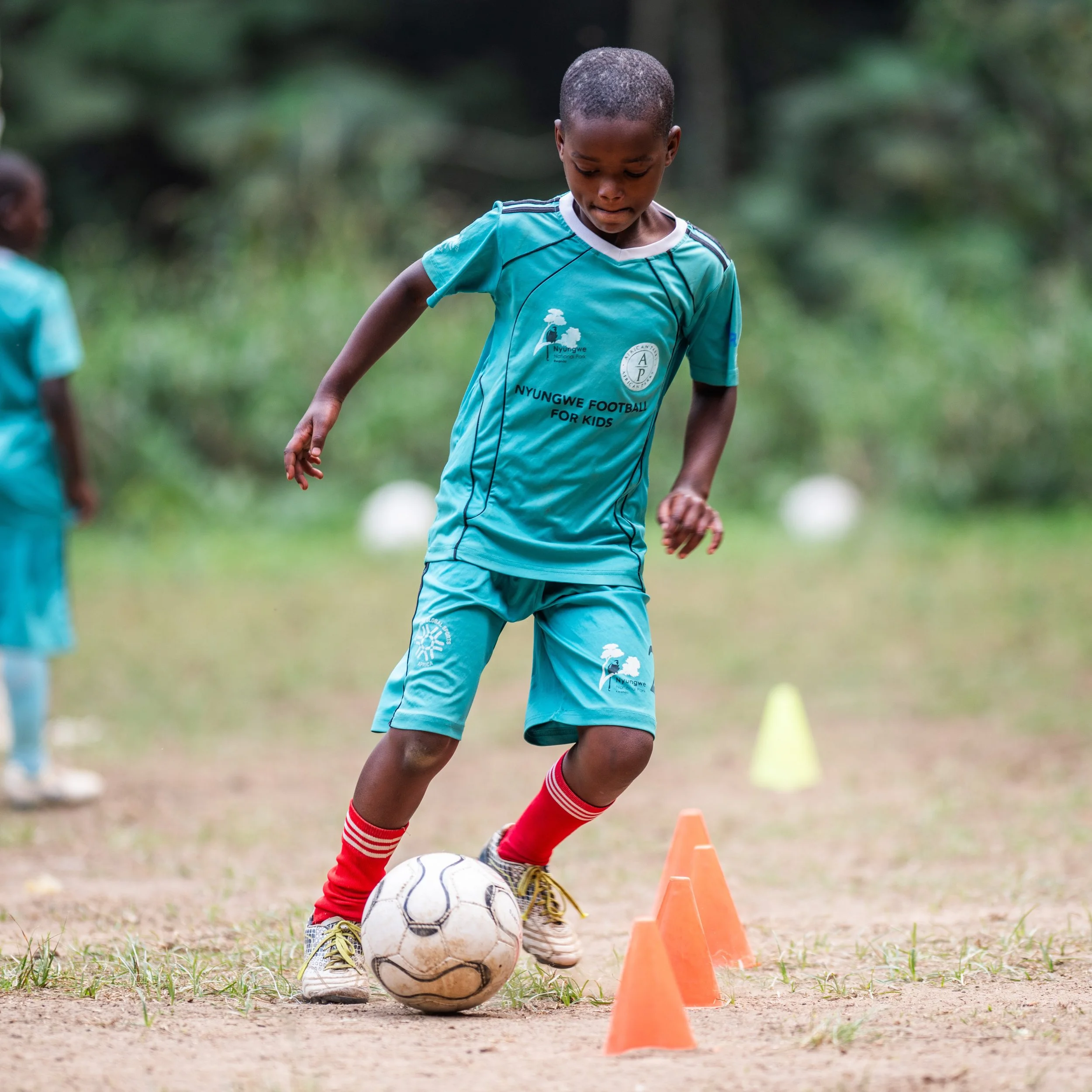
Through supportive football coaching in a positive environment, we create spaces for children to thrive. Regardless of ability, we support all kids to grow, wherever they start and whatever they aspire to.
Our curriculum is developed and delivered by UEFA and FERWAFA licensed coaches. We bring elite football standards to grassroots sports, reflecting our values of dignity and excellence.
Alongside technical football development, children build the life skills they need for success in sport and beyond. Embedded in every session, this learning maximises football as a vehicle for personal growth.
Our programmes are delivered consistently throughout the year on Saturdays and Sundays, offering age-tailored sessions for children aged 5-17 of all genders.
Data sources: President’s Council on Sports, Fitness & Nutrition Science Board; Project Play, Aspen Institute; Youth Sport Trust.
FUEL UP
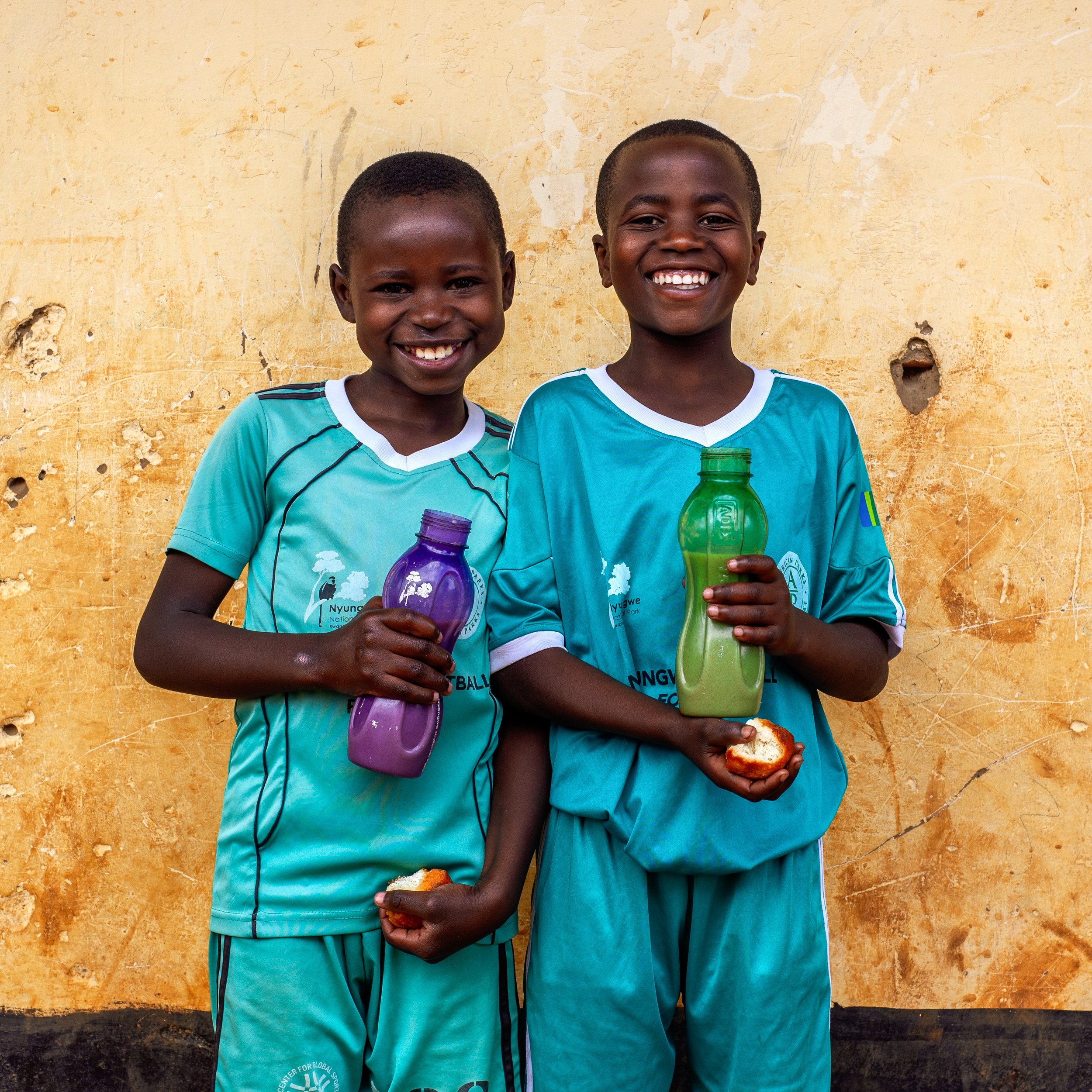
Regular access to nutritious food plays a vital role in children's health and development. Malnutrition is one factor limiting young people’s access to sport across Africa. In Rwanda, food insecurity affects around one in five people.
That’s why nutrition is part of every Sasa football session, with fresh, healthy food to support children’s energy, focus, and enjoyment of the game.
Providing meals and snacks is one practical way we support children’s health and wellbeing, while reducing barriers and enabling more inclusive participation in sport.
Data source: World Food Programme; Todorovic N et al
CLEAN START
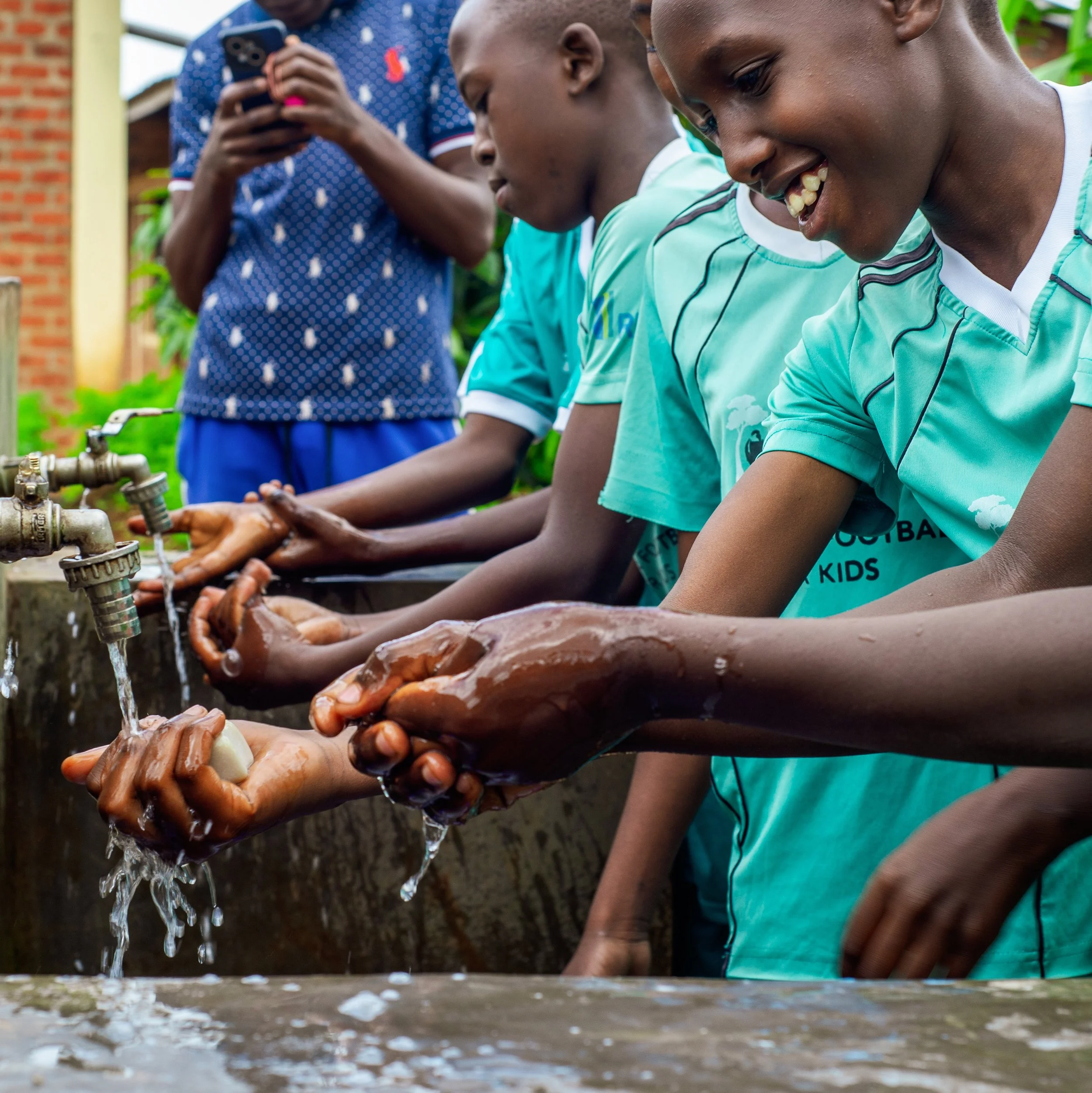
Hygiene-related illnesses are a major health challenge. Simple practices like handwashing can aid prevention when the right knowledge and resources are in place.
At Sasa, hygiene learning is embedded into our football sessions in engaging, sport-focused ways. Children enjoy building helpful, everyday knowledge they can use anywhere.
Through our partners, we also offer soap for kids to take home. By weaving hygiene elements into our programme, we support the conditions for habits that protect children’s health and the health of their communities.
Data sources: World Health Organisation; UNICEF